
Discover the Kilimanjaro Marangu Route’s Exclusive Advantages
The Marangu Route, famously known as the “Coca-Cola Route”, is the oldest and most established trekking path on Mount Kilimanjaro. It remains highly popular primarily because it is the only route on the mountain offering hut accommodations for trekkers. This trail delivers the classic Kilimanjaro climbing experience, featuring breathtaking views and an unforgettable hiking adventure all the way to the summit of Uhuru Peak. Additionally, the Marangu Route boasts unique qualities that distinguish it from all other routes, giving it a distinctive character and atmosphere unlike any other. One of the more fascinating and unique aspects of the Marangu Route is that it stands out as the only route up Mount Kilimanjaro where camping is not permitted. Rather than setting up tents and sleeping outdoors, trekkers have the experience of staying overnight in permanent huts that are built along the route. This distinct feature offers a different kind of accommodation compared to other routes, providing a more comfortable and sheltered environment for climbers as they make their way up the mountain.
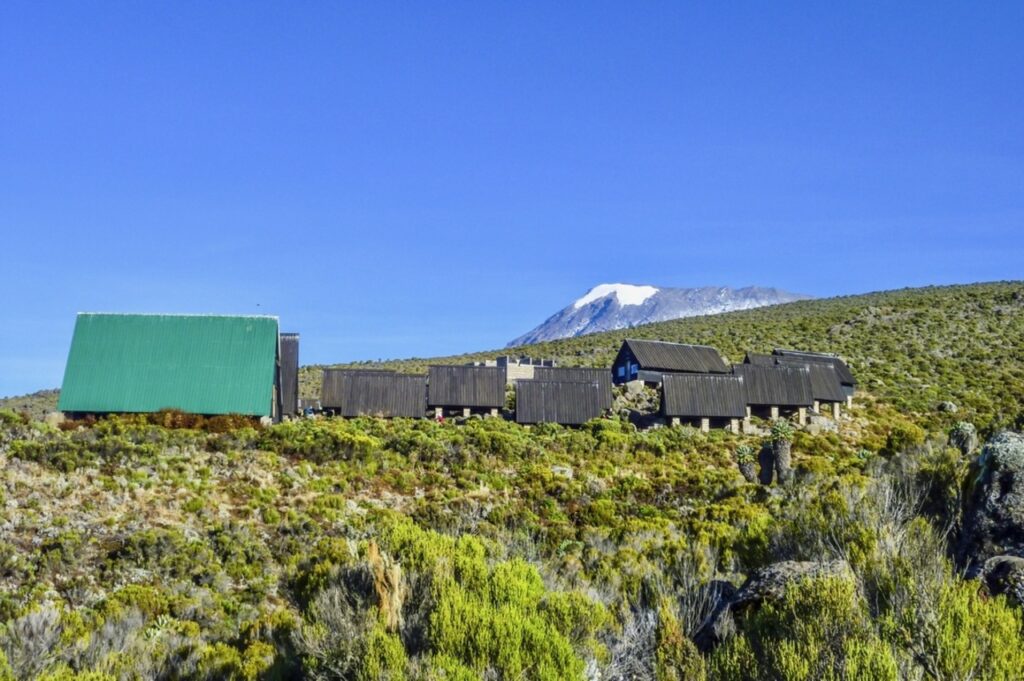
These dormitory-style shelters offer additional protection from wind and rain, making this route especially popular among travelers climbing during the rainy season in April and May. Mandara and Kibo Huts each have 60 bunk beds, while Horombo Hut accommodates 120 bunk beds. While staying in these huts, trekkers will sleep on bunk beds furnished with a basic mattress and pillow. They can also buy a variety of candy bars, bottled water, and soft drinks, earning the Marangu route the nickname “Coca-Cola Route.”
The Marangu Route features a gradual, consistent ascent to each daily camp, earning it a reputation as the easiest trekking path on Kilimanjaro. Don’t underestimate this trail, however, as the approach to the final camp can be quite physically demanding and challenging, with roughly 1000 meters of vertical gain to be conquered on that day alone. This significant elevation change requires a good level of fitness and endurance, so it’s important to be well-prepared for the effort ahead.
Of course, reaching summit day on Kilimanjaro is always an incredibly demanding and challenging experience, no matter which route or direction you choose to approach from. This makes taking those final, triumphant steps onto the very top of the mountain all the more rewarding and deeply satisfying. As one of the shortest and most accessible treks to the summit, taking only about five days to reach Uhuru Peak, the Marangu Route has become a favorite choice among trekkers who have limited time available for their climb. This route offers a relatively quick and efficient way to experience the beauty and challenge of Mount Kilimanjaro within a shorter timeframe.
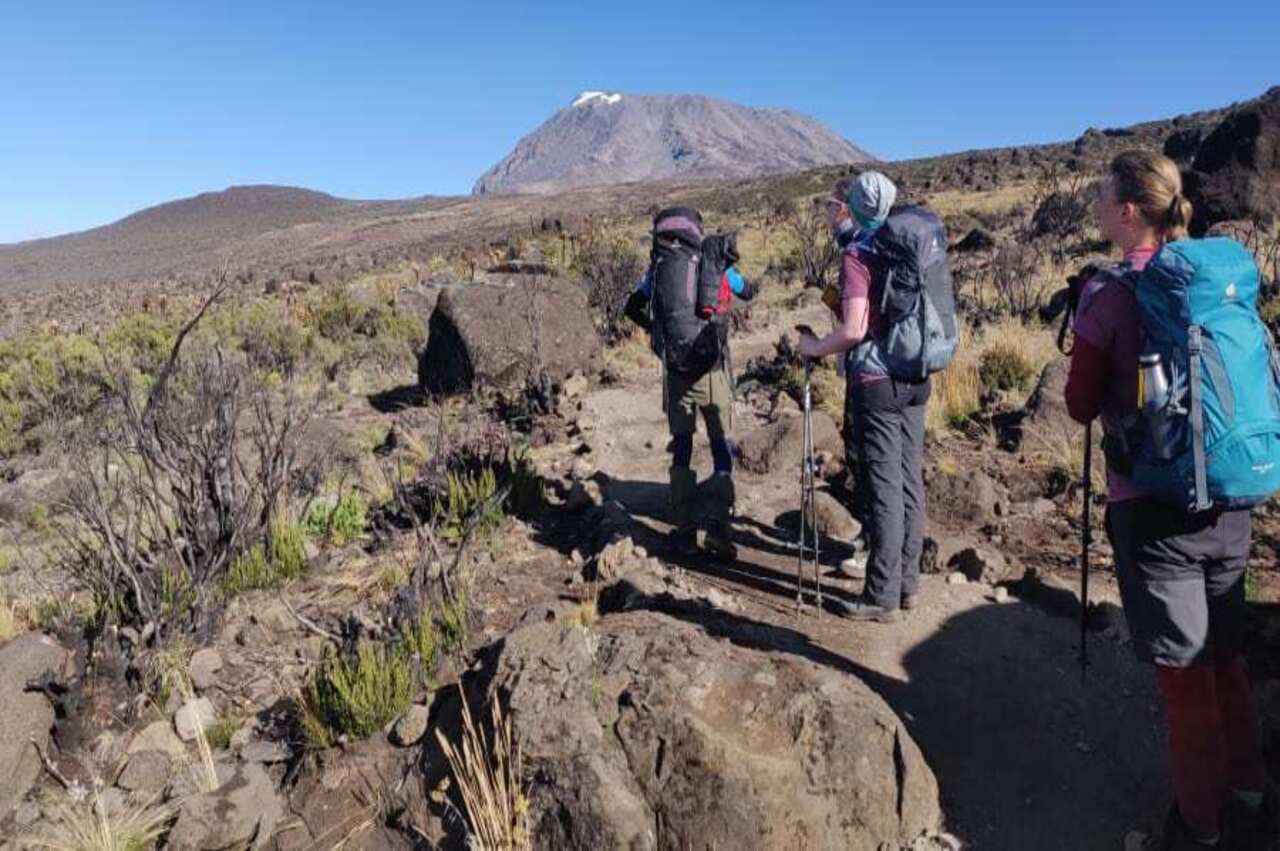
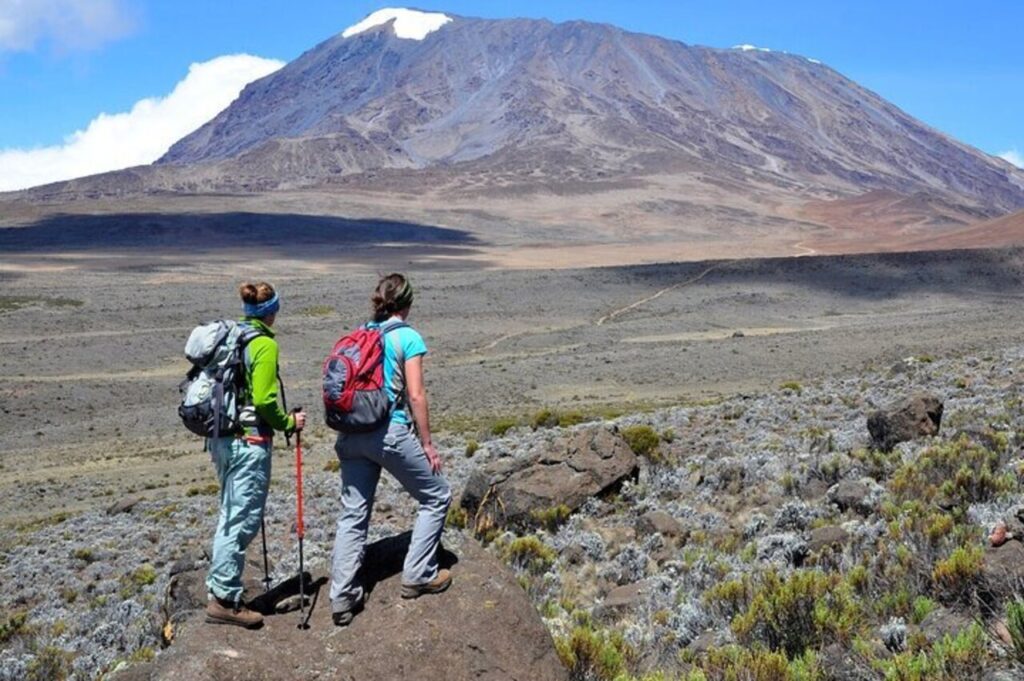
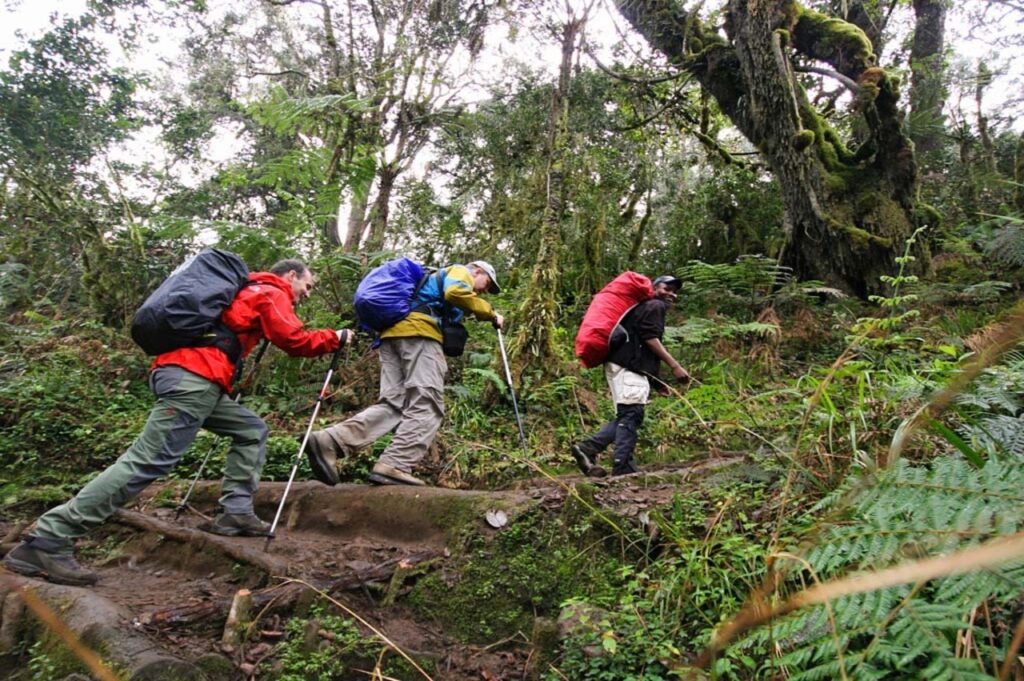
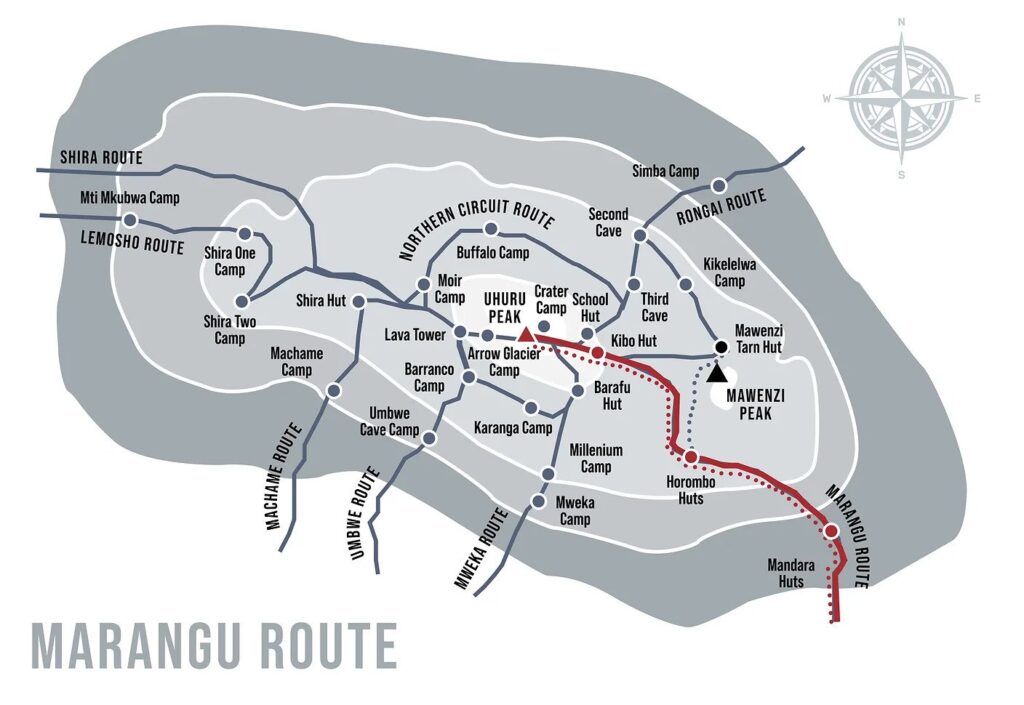
MARANGU ROUTE MAP
The downside is that it offers less time to acclimate to the altitude. As a result, the Marangu route has the highest failure rate among all the Mount Kilimanjaro trails. Keep this in mind when selecting this route for your Kilimanjaro trek.
The Marangu Route is unique in that it uses the same path for both ascending and descending. As a result, trekkers experience the same scenic views on the way up and down. However, this two-way traffic can lead to congestion, making the trail occasionally crowded.
Still, for a classic Kilimanjaro experience, it is tough to top this tried and true route to the Roof of Africa.
Frequently Asked Questions
How Difficult is the Marangu Route?
Each year, many novice hikers choose this route because it provides comfortable hut accommodations, unlike other routes where you must sleep in mountain tents. Many hikers also report that this route is less challenging than other paths to the summit of Kilimanjaro.
A common misconception among trekkers is that a 5-day hike is easier than a 6-day hike. In reality, the 5-day option can be quite challenging because it offers limited time to acclimate to the altitude. The 6-day option is generally more manageable, though it still demands a good level of fitness.
What is the distance of the Marangu Route and how many days does it take to complete?
The Marangu Route covers a distance of 82 km (50 miles). While the quickest way to complete the trek is in 5 days, factoring in arrival and departure, the entire journey typically takes 9 to 10 days. As the shortest route up the mountain, it’s advisable to spread the trek over 6 days to increase your likelihood of success.
What is the Marangu Route Summit Success Rate?
As it is one of the shortest routes on the mountain, the Marangu Route has the lowest summit success rate. This is mainly because of the unprofessional local tour guides who take groups up the mountain on the shorter 5-day hike. Because of this, the 5-day average success rate is 50%! We advise our hikers with this in mind, so we only take the 6-day option, which increases the success rate to over 90%!
What scenery will I see on the Marangu Route?
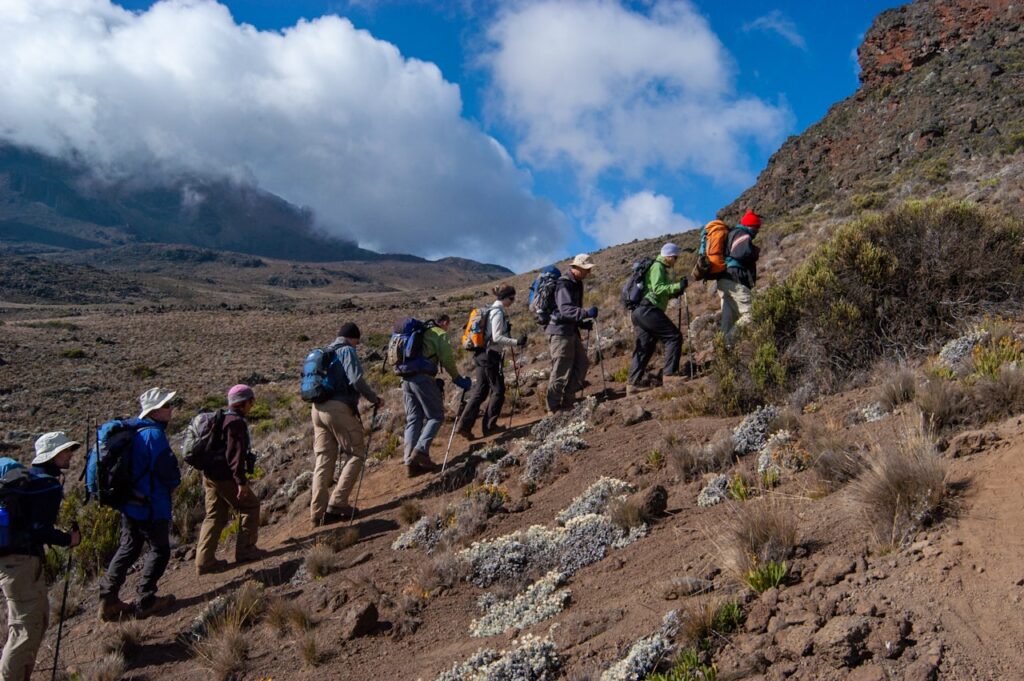
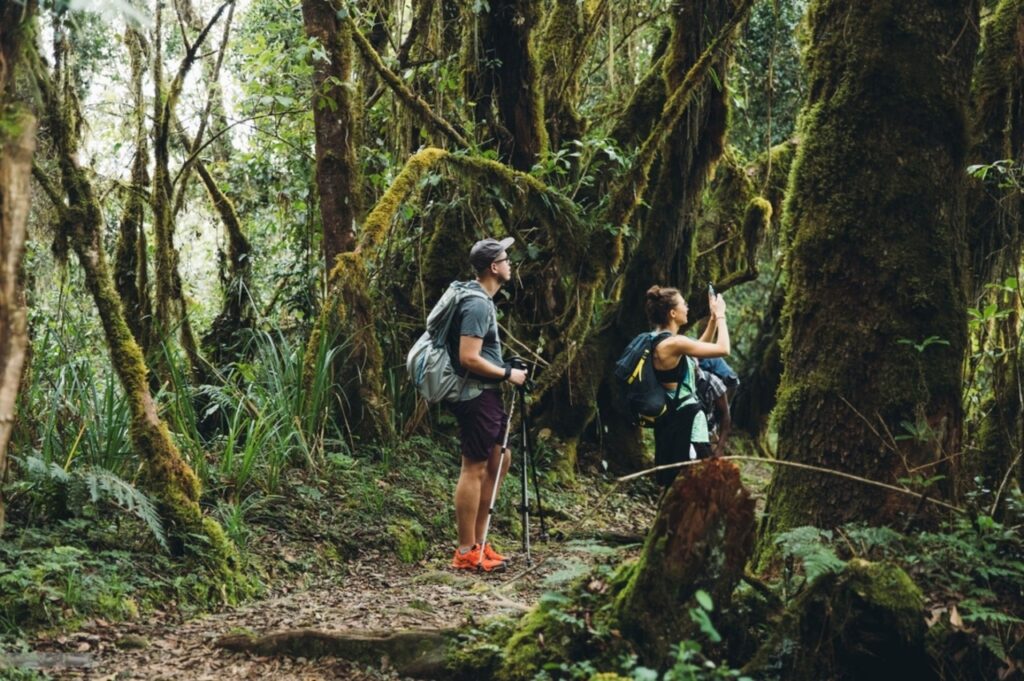
The Marangu route gradually ascends through diverse landscapes including lush rainforest, expansive moorlands, and high alpine areas before finally reaching the stunning glacial zone near the summit. This trek offers incredibly beautiful and varied scenery throughout the journey, making it a truly memorable experience. It is also unique in that it is the only route on the mountain that permits hikers to descend following the same path they used for the ascent, providing a more straightforward and familiar return trip.
Are there showers in the Marangu route?
Yes, some huts along the Marangu route offer showers and flushing toilets. Cold showers are available at Mandara Hut and Horombo Hut.
What is the best time to journey through the Marangu Route?
The best time to climb Kilimanjaro is between July and September when the weather is most stable and the chances of rain are minimal. Being near the equator allows for year-round climbing, but it’s important to avoid the wettest months of April and May for the best experience.

Step One: Preparation and Planning
Begin by understanding the route’s unique terrain, gathering necessary gear, and arranging logistics to ensure a smooth trek.

Step Two: The Ascent
Follow the scenic trail through diverse landscapes, maintaining pace and acclimatizing to altitude for a successful climb.

Step Three: Summit and Descent
Reach Uhuru Peak, Africa’s highest point, then safely descend while reflecting on your incredible achievement.

Begin Your Kilimanjaro Adventure Now
Approaching from the southeast, the trail begins at the Marangu Gate (1,870 m / 6,000 ft), which is about a 1.5-hour drive from Moshi town. While it offers a very gradual and direct incline, the route’s main downside is that the ascent and descent follow the same path, meaning less scenery variety and higher traffic
Explore the Kilimanjaro Marangu Route
Considering the Marangu Route for your Kilimanjaro climb? It’s an excellent and highly recommended choice, especially if you plan to trek during the rainy seasons, which typically occur from mid-March to late May and from late October to late December. One of the main advantages of the Marangu Route during these wetter months is that the mountain huts along the way provide valuable shelter and much-needed comfort, making the journey more manageable. The Marangu Route offers flexible itineraries, including both 5-day and 6-day options, with the 6-day itinerary being notably easier, allowing for better acclimatization and a more enjoyable experience overall.

Scenic Pathways
Traverse lush rainforests and alpine moorlands with breathtaking vistas at every turn.

Cultural Experience
Engage with local Chagga communities and learn about their rich traditions along the trek.

Guided Support
Benefit from expert guides and porters ensuring a safe, comfortable, and rewarding journey.