

MACHAME ROUTE KILIMANJARO
The Machame route, often referred to as the “Whiskey” route, is a six- or seven-day camping trek and the most popular path up Mount Kilimanjaro. It offers stunning scenery, a moderate challenge, and ample time for acclimatization, making it an excellent choice for climbers with some extra time available.
According to recent statistics provided by Kilimanjaro National Park authorities, approximately 35% of all climbers who attempt to reach the summit of the mountain choose to use this particular route. This figure highlights the popularity and significance of the path among those seeking to conquer Kilimanjaro.
Machame route has been nicknamed the “Whiskey Route” because it is often perceived as being tougher than the Marangu route, which is often referred to as the “Coca-Cola” route. Unlike that trail, however, camping is allowed on Machame, which means trekkers will be sleeping in tents all the way to the summit.
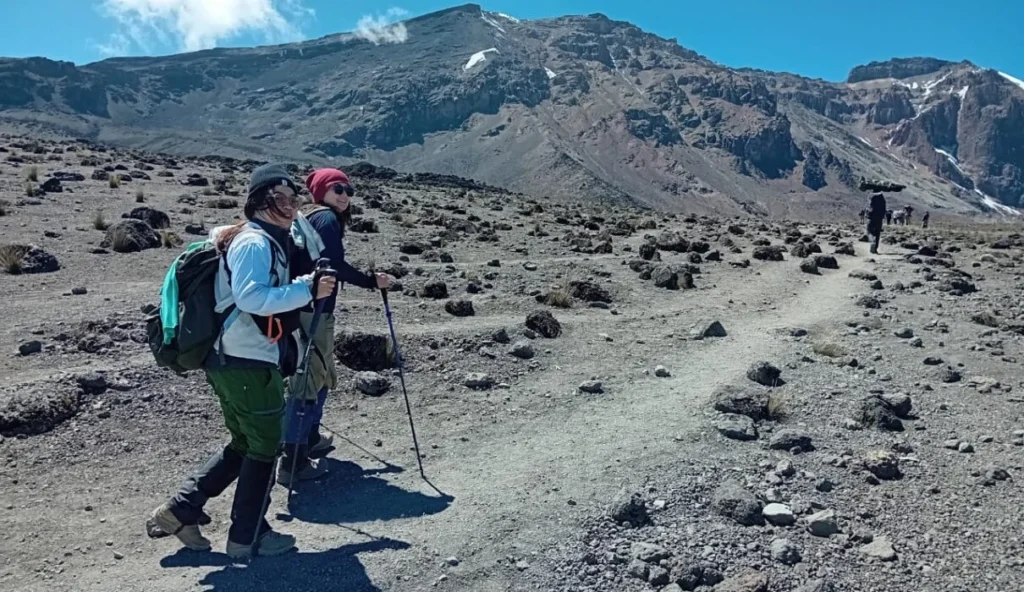
Trekkers on the Machame Route encounter several iconic Mount Kilimanjaro landmarks, including the renowned Lava Tower and Shira Plateau. The path weaves through a series of valleys and ridges, making the hike more challenging but offering some of the most breathtaking views on the mountain.
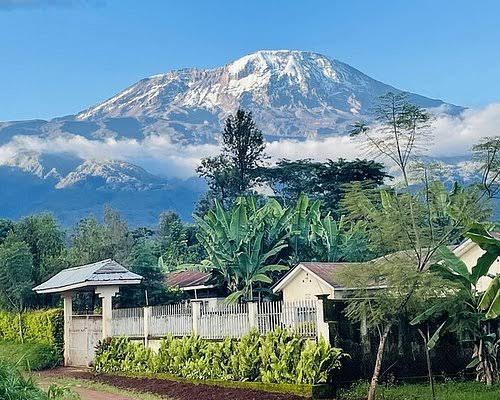
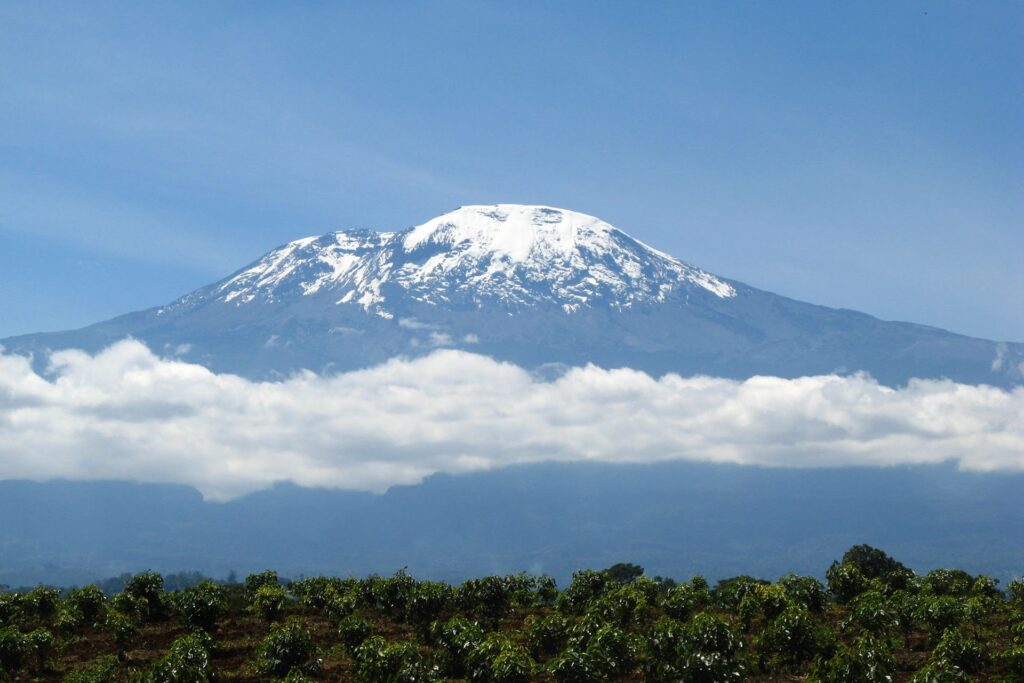
The Machame route is widely celebrated as the most visually stunning and picturesque path leading to the summit of Mount Kilimanjaro. It offers trekkers an incredible variety of breathtaking and diverse landscapes throughout the entire ascent. Starting on the southern side of the mountain, the trail meanders through lush forests and rocky terrains beneath the impressive Southern Ice Field, eventually reaching the summit by passing through the well-known Barafu Camp.
Experience the Stunning Vistas of the Machame Route
If you’re reading this, chances are you’re interested in climbing Kilimanjaro via the Machame Route. You’re in excellent company. The Machame Route is the most popular path up Mount Kilimanjaro. Many choose this route because it offers stunning views and a diverse range of habitats.

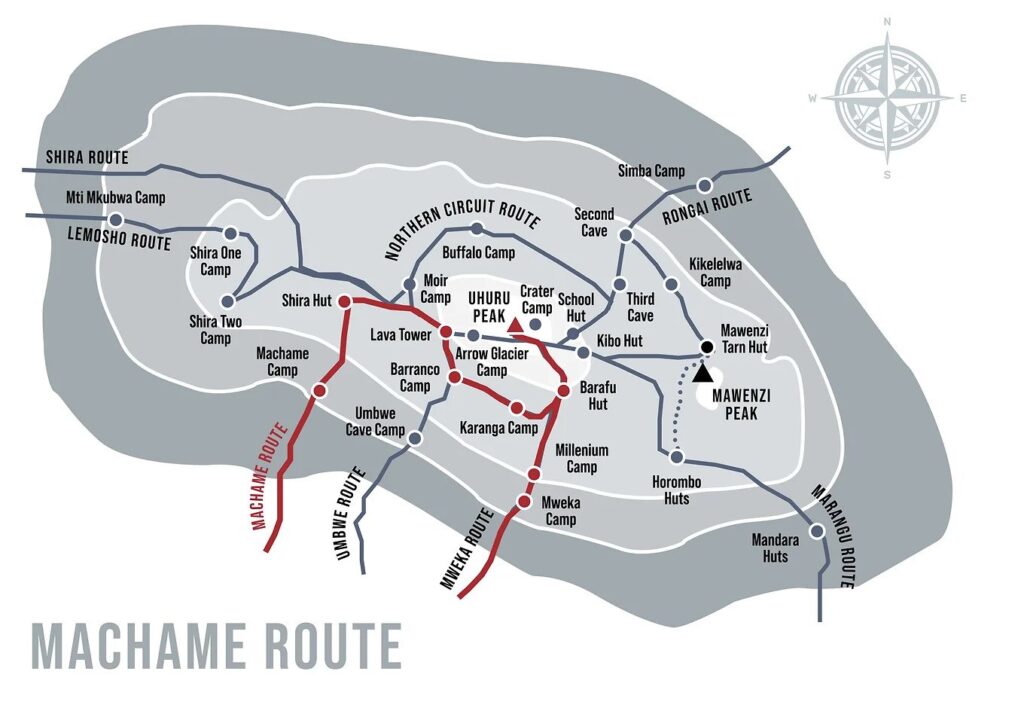
MACHAME ROUTE MAP
One drawback of the Machame Route is that it can become crowded at times. Its scenic beauty and additional days for acclimatization make it a favorite among Kilimanjaro trekkers, leading to busy trails and campsites, especially during peak season.
For the quintessential Kilimanjaro experience, the Machame route remains unbeatable.
Frequently asked questions
How difficult is the Machame Route?
The Machame route is regarded as a moderately challenging trek, featuring diverse terrain and significant elevation changes. It is considered one of the more demanding paths to Mount Kilimanjaro because of its steep, rocky sections and the ascent of the Barranco Wall.
With proper physical preparation and a skilled guide, the Machame route is achievable for individuals with good fitness and strong determination. However, altitude sickness remains a significant challenge, making proper acclimatization and adherence to your guide’s instructions essential for a safe and successful climb.
Using porters to carry equipment and supplies greatly reduces the physical strain on trekkers. The Machame route offers a challenging yet highly rewarding adventure for those prepared to meet its demands. For more guidance, explore our resources on training to climb Kilimanjaro and visit our Kilimanjaro training program page to prepare effectively.
What is the distance of the Machame Route and how many days does it take?
The Machame Route covers approximately 62 km (37 miles), spanning the entire journey from the trailhead to the summit and descending to Mweka Gate. While the minimum trekking time is 6 days, including arrival and departure, the total trip usually takes about 10 days. Given its longer and more challenging nature, a 7 to 8-day itinerary is recommended to improve your chances of reaching the summit successfully.
What is the Machame Route Summit Success Rate?
Thanks to its climb high, sleep low strategy, the Machame route boasts very high summit success rates. Although no official statistics exist, the average success rate across all operators is approximately 85% for the 7-day trek and 73% for the 6-day trek. Our success rate for the Machame route, however, is an impressive 95%. Learn more about the recommended number of days to climb Kilimanjaro to understand why we advise opting for longer treks.
What is the Scenery like on the Machame Route?
The landscape is remarkably varied, with five distinct climatic zones to cross on your journey to the summit. Starting in the lush rainforest of the lower slopes, the trek then ascends into the expansive low alpine region, characterized by wild grasslands and moorlands.
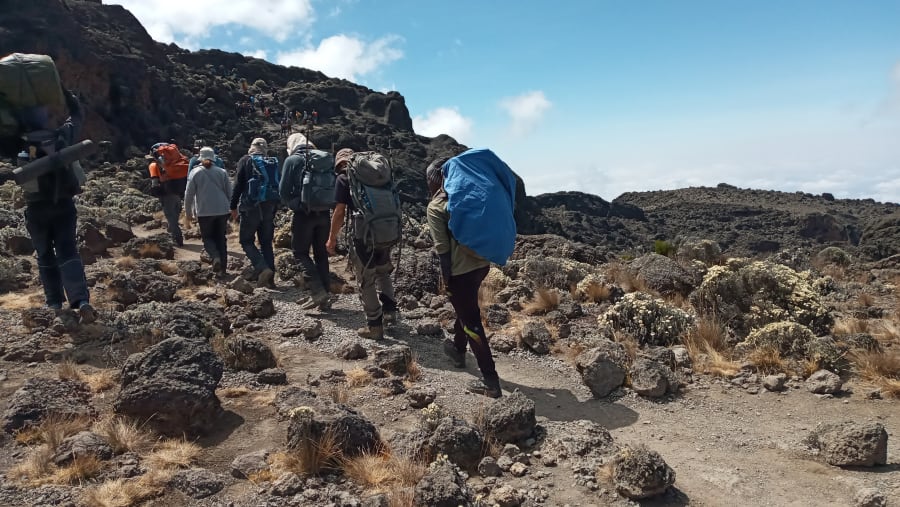
From there, you journey into the high alpine zone before arriving at the glacial zone. Along the way, you’ll experience breathtaking vistas and explore remarkable sites like Shira Plateau, Barranco Wall, and Lava Tower.
When is the best time to trek the Machame Route?
The best time to climb Kilimanjaro is from July to September when the weather is most stable, and the chance of rain is minimal. Being near the equator, Kilimanjaro can be climbed year-round, but April and May, the rainy season, are best avoided for a safer and more enjoyable ascent.
Discover the Machame Route
Each day, you will carry a day backpack weighing approximately 2 to 3 kilograms, although some individuals may carry slightly more or less depending on their personal needs. The rest of your gear, including all essential items you won’t need during the day, should not weigh more than 15 kilograms in total. This equipment will be securely packed into a waterproof duffel bag once you reach the trailhead, and a porter will carry this bag for you throughout the journey.
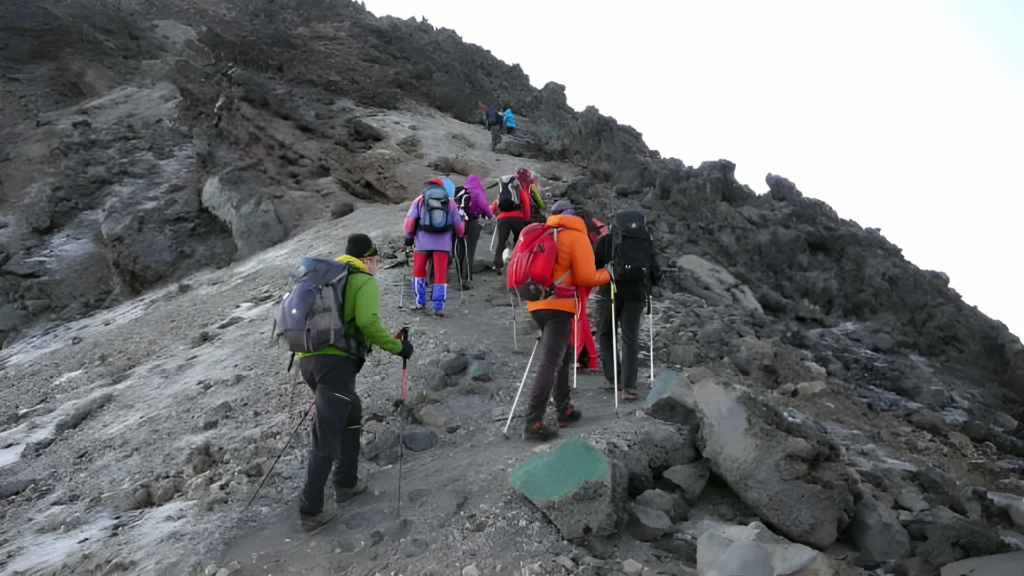
You should get ready mentally for summit day. Experienced guides who have been to the summit many times say it’s rare to see clouds at the summit at sunrise, no matter the season. The climb day is long and hard, with some hikers taking up to 15 hours to reach the summit and come back to the campsite.

Phase One: Preparation and Planning
Our comprehensive insights fully equip you to confidently and effectively tackle the unique challenges of the Machame Route, ensuring you are well-prepared every step of the way.

Phase Two: The Climb
Receive expert guidance meticulously tailored to help you confidently and successfully conquer the diverse and challenging terrain of Mount Kilimanjaro.

Final Stage: Summit and Descent
This comprehensive guide offers reliable, well-researched tips to ensure a safe, enjoyable, and unforgettable climbing adventure, making your journey truly extraordinary.
Start Your Kilimanjaro Via Machame Route Journey Today
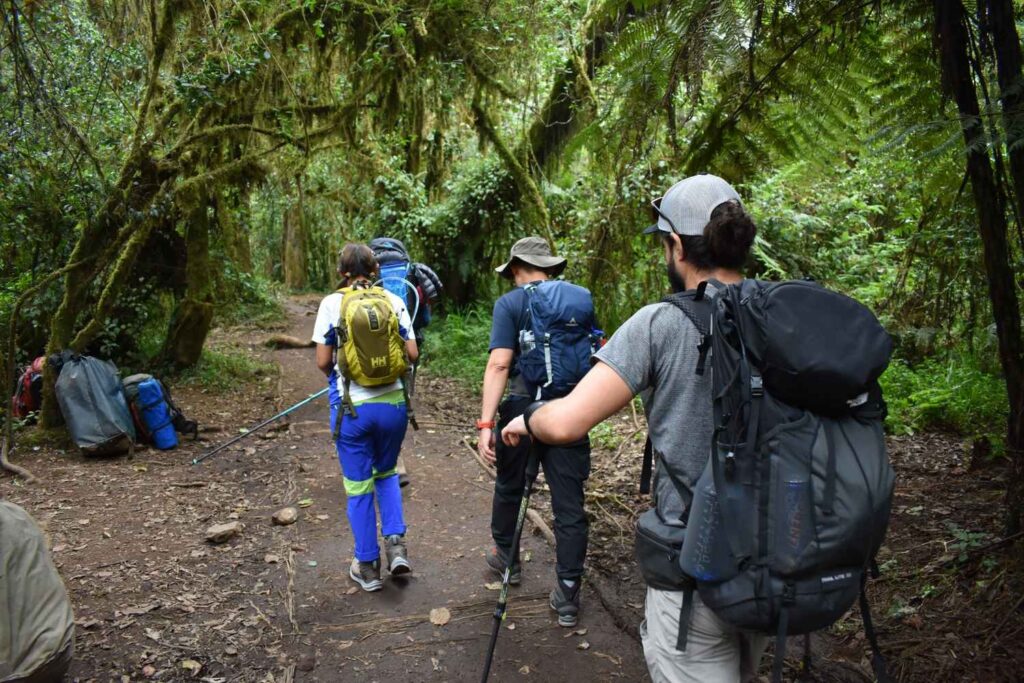
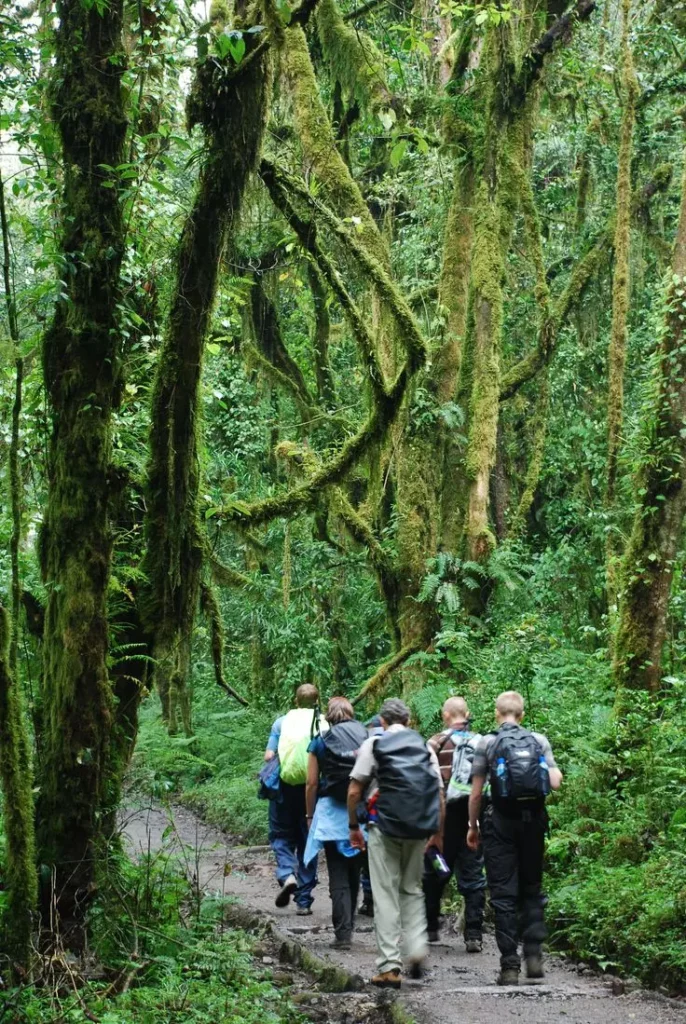
The trail starts wide and muddy, going through a thick green rainforest full of bird sounds and leaves moving. Many hikers use this path, but it is often slippery, especially after rain when the ground is wet and unsafe. Big tree roots stick out from the soil along the way, so watch your step to avoid falling. As you go on, the trail gets narrower and twists, sometimes opening to clear spots with great views of the large forest below.
What is the Kilimanjaro Machame Route?
The hike begins in Kilimanjaro’s lush, fertile montane rainforest. As you might expect, the lower slopes receive quite a bit of precipitation. The trail can be steep and slippery, so trekking poles are recommended. As the route approaches the Shira Plateau, the trees disappear and are replaced by low brush in the heather zone.
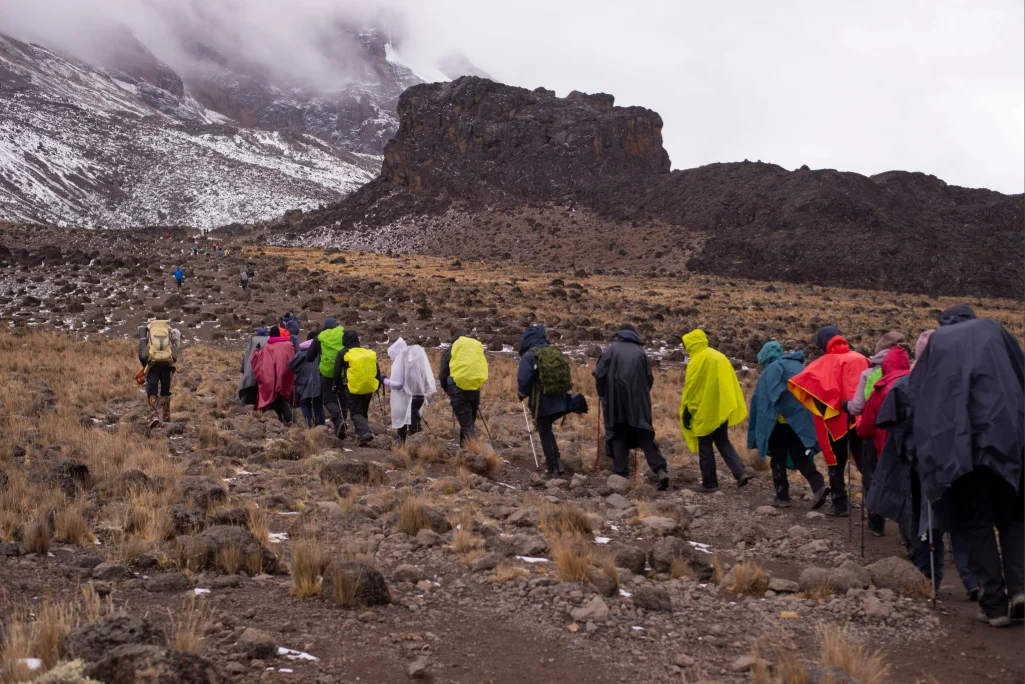
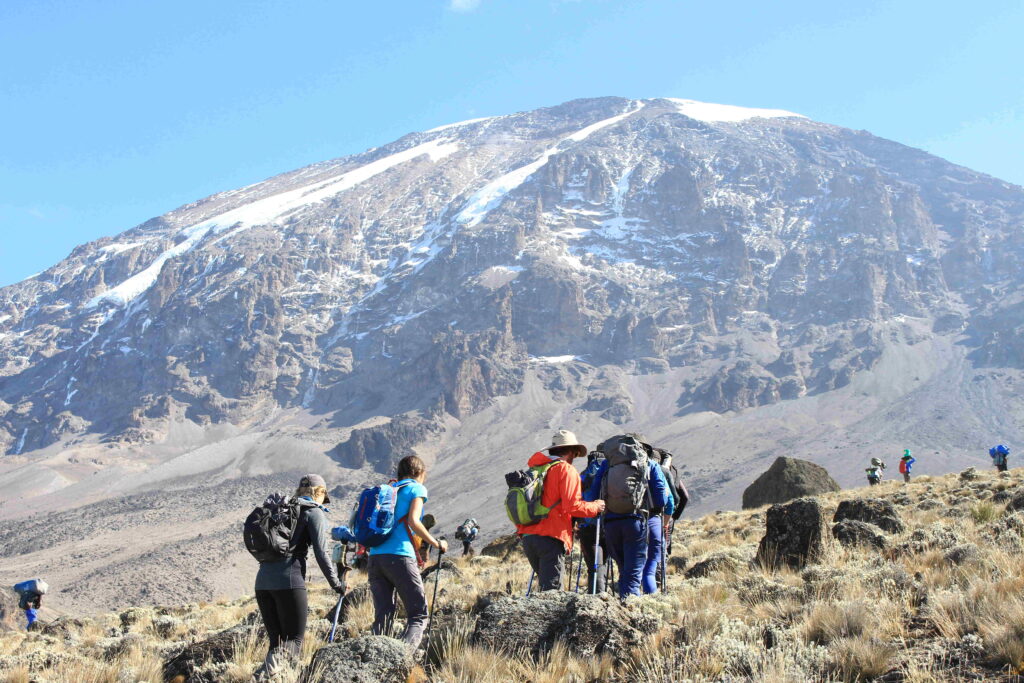
Then, the route ascends steeply to the prominent volcanic plug known as Lava Tower, reaching a significant elevation gain before beginning its descent. From there, it winds down and circles below the vast South Icefield, offering a unique perspective of the mountain’s rugged terrain.
This circular path connecting the Barranco, Karanga, and Barafu camps is famously known as the Southern Circuit. As it covers about halfway around the mountain’s circumference, climbers are rewarded with breathtaking panoramic views showcasing the natural beauty and grandeur of the surrounding landscape.
Is a guide mandatory for the Machame Route?
Yes, hiring a certified guide is required for safety and to navigate the route effectively.
When is the best time to climb via the Machame Route?
The best climbing seasons are during the dry months from June to October and December to February.
How long does the Machame Route typically take to complete?
Most climbers complete the Machame Route in 6 to 7 days, allowing time for acclimatization and enjoying the scenery.
What level of fitness is required for the Machame Route?
A moderate to high fitness level is recommended due to steep ascents and variable terrain encountered on this trail.
What kind of accommodation is available on the Machame Route?
Tents and basic huts are provided at campsites along the route, offering rustic but comfortable overnight stays.
How challenging is the Machame Route compared to other routes?
The Machame Route is considered moderately challenging, known for its scenic views but steeper climbs than some alternative paths.